

2026 Logistics Update:
In 2026, transport and shipment to/from Iran requires closer attention to sanctions compliance, Strait of Hormuz risk, Red Sea disruptions (Reuters), port capacity, and digital transit systems such as eTIR. Iran remains a strategic regional corridor, but routing, insurance, carrier availability, and customs documentation must be checked carefully before booking.
Iran’s Role as a Regional Transit Hub
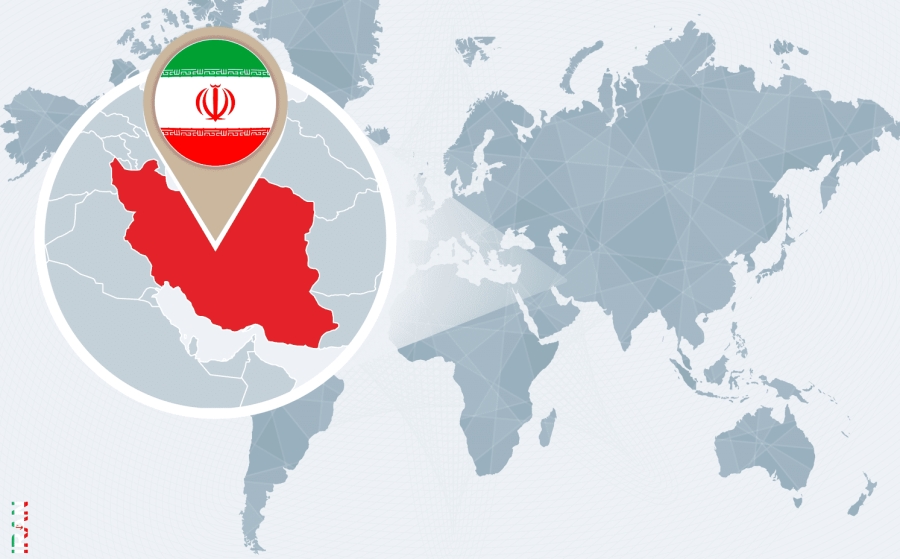
Iran’s geographic position enhances its role in Iran logistics as a bridge between Europe, Asia, and the Middle East. The INSTC and other trade corridors, such as routes to Turkey and Afghanistan, leverage Persian Gulf trade’s rail and road networks for efficient transport from Iran to neighboring countries. In 2026, Iran remains a strategic transit hub, supported by the INSTC, road links to Turkey and Central Asia, Persian Gulf ports, and ongoing logistics investments, despite sanctions and route disruption risks.
Iran’s Transport Infrastructure and Key Shipping Methods
Iran’s strategic location at the crossroads of Asia, Europe, and the Middle East makes it a pivotal hub for transport and shipment to/from Iran. With a robust network of roads, railways, ports, and airports, Iran facilitates both domestic and international trade, despite challenges posed by sanctions and infrastructural limitations. Here we explore the key components of Iran’s transport infrastructure, highlighting its role in import/export and global connectivity.
Road Network: The Backbone of Iran’s Logistics
Iran boasts an extensive road network spanning over 221,000 kilometers, with approximately 85% paved, enabling efficient transport to Iran and within its borders. Major highways connect key cities like Tehran, Isfahan, and Mashhad, supporting the movement of goods via trucks for Iran freight services. In 2023, over 90% of Iran’s imports and exports, particularly in the oil and fisheries sectors, relied on road transport. Road transport remains cost-effective for Iran freight services, though heavy reliance on trucks can increase congestion, fuel exposure, and delivery-time uncertainty.
Rail System: Expanding Regional Connectivity
Iran’s railway network, covering approximately 14,000 kilometers, plays a critical role in shipment from Iran to neighboring countries. The Tehran–Bandar Abbas railway, operational since 1995, links the capital to the country’s primary port, facilitating shipping to Iran via the International North-South Transport Corridor (INSTC). Recent developments include direct China–Iran rail freight services to the Aprin dry port near Tehran, reducing transit time compared with traditional sea freight and strengthening Iran rail logistics. This enhances Iran’s position as a transit hub for goods moving between China, Central Asia, and Europe.
Maritime Ports: Gateways for Global Trade
Iran’s maritime infrastructure, centered around ports like Bandar Abbas, Bandar-e Emam Khomeyni, and Bandar Anzali, handles over 50% of the nation’s trade. Bandar Abbas, located on the Strait of Hormuz, is the most active port, processing 37% of Iran’s transit cargo. These ports support both Full Container Load (FCL) and Less than Container Load (LCL) shipments, critical for shipment to Iran from global markets. In 2026, Shahid Rajaee Port upgrades aim to improve container capacity and reduce vessel waiting times, though sanctions, congestion, and equipment limits remain challenges.
Airports: Facilitating Time-Sensitive Shipments
Iran’s aviation infrastructure includes 54 major airports, with eight designated as international, such as Imam Khomeini International Airport (IKIA) in Tehran. IKIA, operational for international flights since 2007, supports international shipping to Iran for time-sensitive cargo like pharmaceuticals and electronics.Air freight services provide faster delivery than sea freight for sensitive cargo, though sanctions, banking limits, documentation rules, and carrier availability can restrict direct services.
Customs Clearance and Documentation Requirements
For Iranian exporters and importers, global traders, or Non-Vessel Operating Common Carriers (NVOCCs) managing transit shipments through Iran, mastering customs documentation is key to smooth trade. Requirements for transport and shipment to/from Iran vary depending on the shipment type: imports and exports need full customs clearance with detailed paperwork, while transit shipments, such as those under the TIR Carnet system, follow simplified procedures. This section outlines the essential documents to navigate Iran’s logistics network, helping traders move goods efficiently across its vibrant trade routes.
- Commercial Invoice: Specifies goods, value, seller, and buyer details, mandatory for all import, export, and transit transactions.
- Bill of Lading / Waybill: Issued by the carrier, it confirms shipment details. Sea freight uses a B/L, road transport commonly uses CMR, and transit cargo may require CMR or TIR Carnet.
- Certificate of Origin: Verifies the country of production, essential for customs valuation and trade agreements, though optional for some transit cases.
- Packing List: Details packaging (quantity, weight, type), required for customs inspections across all trade types.
- Import/Export Permit: Required for specific goods (e.g., pharmaceuticals, agricultural products) for imports or exports, but typically not for transit.
- Customs Declaration: A mandatory statement of goods’ details, including value and quantity, for all customs processes, including transit.
- TIR Carnet (for transit): Simplifies road transport transit through Iran under the TIR system, eliminating the need for full clearance.
- Insurance Policy: Covers transport risks, often required for high-value goods in imports/exports, optional for transit.
- Proforma Invoice: Outlines transaction terms before finalization, typically required for imports.
- Bank Documents (e.g., Letter of Credit): Needed for import/export payments, not applicable for transit shipments.
- Customs Warehouse Receipt: Confirms goods’ delivery to customs warehouses, required for all trade types before clearance.
- Inspection Certificate (if applicable): Verifies goods’ quality/quantity, mandatory for certain imports/exports, optional for transit.
- Commercial Card (Kart-e Bazargani): Required for Iranian exporters/importers to verify identity, not needed for transit by NVOCCs.
- eTIR Note: Iran is connected to the international eTIR system, making digital transit procedures increasingly relevant for road transport through Iran.
Notes for Traders
- Iranian Exporters and Foreign Importers: Must provide all listed documents for imports/exports, including permits for restricted goods (e.g., chemicals, food) and comply with Iran’s Customs Service (irica.ir) regulations.
- NVOCCs and Transit Operators: For goods transiting Iran (e.g., from Iraq to CIS countries or India to Iraq), TIR Carnet or CMR, along with a customs declaration, suffices in most cases, bypassing full clearance.
- Additional Requirements: For specific goods (e.g., pharmaceuticals, agricultural products), permits from organizations like the Ministry of Health or Standards Organization are required for imports/exports but not for transit.
For seamless customs clearance, consult Iran’s Customs Service (irica.ir) or engage a licensed customs broker to ensure compliance and avoid delays. For transit-specific inquiries, refer to TIR Carnet guidelines or contact a logistics provider familiar with Iran’s transit corridors.
Customs Clearance Process in Iran
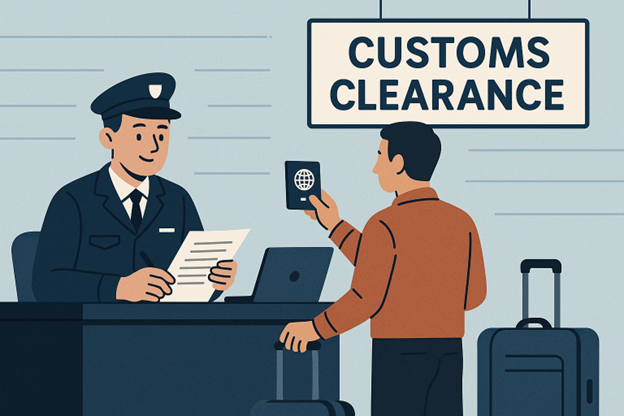
The customs clearance process in transport and shipment to/from Iran typically takes 5–10 business days, though it can range from 3 days to 4 weeks, depending on shipment complexity, documentation accuracy, and inspection requirements. The process involves:
- Registration and Submission: Commercial importers usually need a valid commercial card, order registration, and electronic declaration through IRICA’s EPL / e-customs system.
- Document Verification and Inspection: Customs officers verify documents and may conduct physical inspections, including x-rays or sampling, to ensure compliance with declared HS codes and national standards. For sensitive goods (e.g., food or medical supplies), additional tests may extend clearance to 45–75 days, especially for UN agency shipments.
- Duty and Tax Payment: Duties, VAT, and related charges are calculated based on HS code, customs value, and current import regulations before goods are released. IRICA issues a customs clearance certificate upon payment, allowing goods to be released.
Humanitarian shipments may receive special customs treatment, but they still require proper documentation, authorized coordination, and confirmation from IRICA before arrival.
For a streamlined and dependable customs clearance process in Iran, traders can rely on specialized logistics providers like SASCO. Leveraging deep expertise in Iran’s logistics network and customs regulations, SASCO delivers Iran customs clearance services that ensure trade compliance, expedite processing, and reduce delays.
Challenges in Shipping to/from Iran
Transport and shipment to/from Iran, involves navigating a complex landscape of regulations, logistics, and geopolitical factors. Below, we outline the key challenges.
A.Rigorous Customs Requirements
Iran customs regulations mandate precise documentation, including commercial invoices, certificates of origin, and sanitary permits, particularly for shipments processed through Bandar Abbas port services. Non-compliance can result in delays, fines, or cargo seizures, complicating customs clearance in Iran.
B.Sanctions and Geopolitical Constraints
Sanctions and geopolitical risks create significant barriers for Iran shipping, restricting banking access, insurance options, and the operations of major shipping companies in Iran. These pressures can force rerouting through third-country hubs, increase Iran shipping costs, and slow cross-border shipping along Iran trade routes.
C.Logistical and Infrastructure Bottlenecks
Despite Iran’s pivotal role in Middle East logistics and Silk Road logistics Iran, port congestion at Iran port services and reliance on road-based Iran transportation services cause delays.
D.Supply Chain and Carrier Limitations
Coordinating an effective Iran supply chain is challenging due to restricted carrier availability and complex Iran cargo insurance requirements. Fluctuating Iran air cargo services and Iran rail transport for goods options add uncertainty to Middle East freight solutions, requiring expert oversight.
Your Trusted Partner for Seamless Shipping
While these challenges in transport and shipment to/from Iran are significant, partnering with SASCO ensures effortless navigation of Iran international trade. Our experienced team provides freight forwarding in Iran, tailored Iran transportation services, customs clearance support, and route planning to optimize Iran trade routes. With a robust network, real-time tracking, and expertise in Middle East logistics, we deliver cost-effective Middle East freight solutions and reliable Iran supply chain management. Contact us today to experience hassle-free shipping tailored to your needs.
Frequently Asked Questions about Transport and Shipment to/from Iran
1. What is the best way to manage transport and shipment to/from Iran?
The best method depends on cargo type, route, urgency, budget, and compliance requirements. Sea freight, road transport, rail freight, air cargo, and multimodal transport can all be used.
2. What documents are required for shipping to Iran?
Common documents include the commercial invoice, packing list, bill of lading or waybill, certificate of origin, customs declaration, permits, and insurance documents where applicable.
3. What are the main challenges of shipment to/from Iran in 2026?
Key challenges include sanctions compliance, customs clearance, carrier availability, insurance limits, port congestion, Red Sea disruptions, Strait of Hormuz risk, and route planning.