

The Strategic Role of Iran in the Asia-Turkey Transit Corridor
As businesses seek more resilient and affordable cargo from Iran to Turkiye, the country’s role as a primary bridge between the East and West has become undeniable. Iran is no longer just a neighbor to Turkey; it is the strategic "Golden Gate" that facilitates transit cargo to Turkey through Iran for giants like China, India, and the CIS nations.
Iran as a Key Link between CIS, India, and China to Turkey
The geographical advantage of Iran offers a unique multimodal gateway. For goods originating from China, the southern branch of the Silk Road provides an uninterrupted rail connection that is significantly faster than traditional maritime routes. Similarly, for India, the International North-South Transport Corridor (INSTC) makes shipping from Iran to Turkey the most logical choice, connecting the Port of Mumbai to the Turkish borders via the Iranian rail and road network.
The CIS countries also rely heavily on cargo transit via Iran to Turkey to access Mediterranean markets. By utilizing the Iranian transit infrastructure, these landlocked nations can bypass longer, more expensive routes, ensuring their supply chain remains competitive.
Geopolitical Importance and Emerging Trade Opportunities
The geopolitical significance of this corridor has been further solidified by recent infrastructure breakthroughs. The commencement of the Marand–Cheshmeh Soraya railway project in late 2025 will be a game-changer for logistics solutions for Turkey via Iran. This $1.6 billion investment is designed to:
- Reduce Transit Time: Shifting from sea to land can cut delivery times from 40 days to approximately 15 days.
- Minimize Bottlenecks: New rail links and modernized border crossings like Bazargan and Razi are streamlining transporting cargo from Iran to Turkey.
- Economic Integration: With the 2025 trade agreements aiming for a $30 billion exchange target, the corridor is fostering a deeper economic bond between Tehran and Ankara.
For international businesses, choosing a reliable international cargo service from Iran to Turkey means tapping into a corridor that is faster, cheaper, and increasingly integrated into the global "Belt and Road Initiative.
Primary Transit Routes from Iran to Turkey
Choosing the right Iran-to-Turkey cargo routes is the first step toward a successful logistics operation. Depending on your cargo type, budget, and urgency, you can choose between established road networks or expanding rail infrastructures.
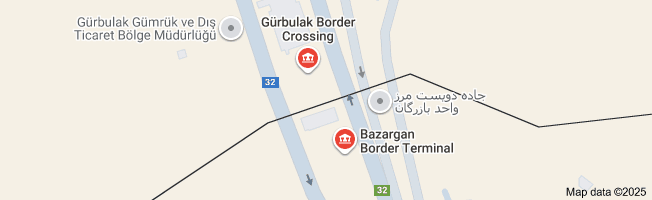
The Land Route: Bazargan (Gurbulak) Border Crossing
As of 2025, the Bazargan-Gurbulak crossing remains the most critical artery for a road freight service between Iran and Turkey. Handling over 60% of all land-based transit, this border has recently undergone significant modernization.
- TIR Green Lanes: In late 2025, the IRU and Iranian customs established "Green Lanes" at Bazargan, specifically for trucks using the TIR Carnet system, drastically reducing waiting times for international cargo service from Iran to Turkey.
- Capacity: This gate is the primary choice for heavy machinery and industrial equipment, offering 24/7 customs services for transporting cargo from Iran to Turkey.
Alternative Land Gates: Razi (Kapikoy) and Sero (Esendere)
For businesses looking for more flexible logistics solutions for Turkey via Iran, two alternative gateways offer relief during peak seasons:
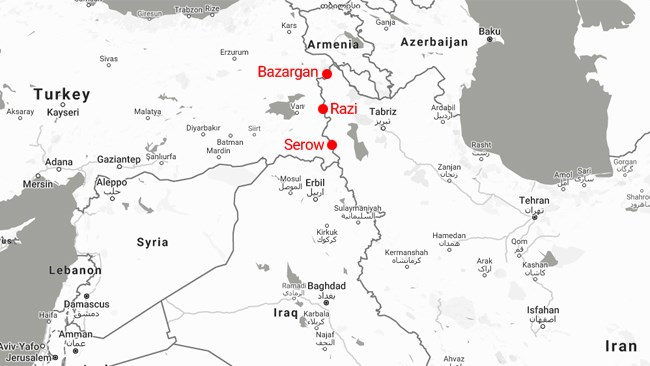
- Sero (Esendere): Located further south, this border is ideal for perishable goods and consumer shipments destined for eastern Turkish provinces. It is often less congested than Bazargan.
- Razi (Kapikoy): While primarily known for passenger and light vehicle transit, Razi is increasingly used for smaller, express shipping between Iran and Turkey, especially for high-value retail goods.
Rail Infrastructure: The Tabriz–Van Link and Future Prospects
A rail freight service is the backbone of Iran's multimodal cargo transit to Turkey, offering the highest cost-efficiency for transporting bulk raw materials.
- The Tabriz–Van Express: Currently, this line utilizes a ferry system across Lake Van. While reliable, it has historically been a bottleneck. However, in 2025, increased locomotive capacity has improved the frequency of freight trains, making it a staple for any stable supply chain from Iran to Turkey.
- The Marand–Cheshmeh Soraya Project: This is the most significant development in regional logistics. In November 2025, Iran and Turkey officially signed a $1.6 billion agreement to build this 200-km direct rail link. Once completed, this line will bypass the Lake Van ferry, creating an "all-rail corridor" from China to Europe. It aims to transform the southern Silk Road, ensuring freight forwarding to Turkey through Iran is not only faster but also significantly cheaper by removing the need for transshipment.
Whether you are moving shipments to Turkey via Iran using the proven road network or looking ahead at the massive potential of the new rail corridors, understanding these routes is essential for optimizing your transit time.

Customs Procedures and Compliance Requirements
Navigating the legal framework is often more complex than the physical transport itself. In 2025, the digital transformation of customs between Tehran and Ankara has introduced both efficiencies and stricter oversight. Understanding these regulations is key to ensuring that shipping goods to Turkey via Iran remains seamless.
The TIR Carnet System: Streamlining Border Crossings
The TIR (Transports Internationaux Routiers) system remains the gold standard for transit cargo to Turkey through Iran. By the end of 2025, the adoption of the e-TIR system has become nearly universal at major borders like Bazargan.
The TIR Carnet allows goods to travel in sealed load compartments without undergoing detailed customs inspections at every border. This is a game-changer for freight forwarding to Turkey through Iran, as it provides a global guarantee for customs duties.
Essential Documentation for Transit Cargo
To avoid delays when moving shipments to Turkey via Iran, your documentation must be flawless. Any mismatch in data can lead to weeks of border storage.
- CMR (International Consignment Note): The primary contract for road transport.
- Commercial Invoice & Packing List: Must include precise HS Codes, unit prices, and weights (Net/Gross).
- Certificate of Origin (COO): Crucial for verifying the cargo’s source, especially under current geopolitical scrutiny.
- Transit Declaration (T1): Often required in conjunction with the TIR to track the movement within Iranian territory.
Sanctions and Compliance: What International Businesses Need to Know
This is the most critical section for any operator involved in international cargo service from Iran to Turkey. As of December 2025, the sanctions landscape has become more nuanced, requiring rigorous due diligence.
- Strict Commodity Screening: While transit for humanitarian and non-sanctioned goods (like food, medicine, and certain industrial equipment) remains stable, the June 2025 expansion of sanctions by the US and EU has increased the focus on "dual-use" goods.
- Financial Transparency: Most challenges arise not from the transit itself, but from the payment mechanisms. In 2025, using specialized logistics partners who utilize compliant banking channels or barter arrangements is essential for maintaining a healthy supply chain from Iran to Turkey.
Expert Insight (2025): Always conduct a "Know Your Cargo" (KYC) audit before shipping. In the current climate, even a minor error in describing industrial components can trigger a "red flag" at the Turkish Gurbulak border, leading to cargo seizure.
Key Challenges in Cargo Transit via Iran
While the Iran-Turkey corridor offers significant strategic advantages, it is not without its operational hurdles. In late 2025, several factors—ranging from geopolitical shifts to energy reforms—have introduced new complexities that impact the efficiency of shipping goods to Turkey via Iran.
1.Border Congestion and Waiting Times
Despite the modernization of the Bazargan (Gurbulak) crossing, congestion remains a persistent challenge for transporting cargo from Iran to Turkey.
- The "Bottle-Neck" Effect: In December 2025, the surge in overland trade (partly due to disruptions in maritime routes like the Red Sea) has led to occasional queues of 5 to 10 kilometers at the border.
- Modernization Delays: While Turkey’s 2025 initiative to expand the Gurbulak gate is underway, ongoing construction can sometimes limit the number of active lanes, causing temporary delays in moving shipments to Turkey via Iran.
Tip: Always check for "Green Lane" eligibility through the e-TIR system to bypass general freight queues.
2.Fuel Price Differentials and Border Fees (Maba-el-Tafavat)
Unlike passenger vehicles, the challenge for transit trucks is not the pump price of diesel—which remains heavily subsidized in Iran at approximately 3,000 IRR ($0.006) per liter—but the Fuel Difference Fee (locally known as Maba-el-Tafavat).
- The Regulatory Gap: Since fuel is significantly cheaper in Iran than in Turkey, Iranian customs charge foreign (and sometimes local) transit trucks a fee based on the volume of fuel in their tanks.
- Calculation Method: This fee is calculated based on the price difference between Iran's domestic rate and the "FOB Gulf" market rate. For businesses seeking affordable cargo from Iran to Turkiye, failing to account for this "exit fee" can lead to unexpected surcharges at the border.
3.Regulatory Changes and Bureaucracy
The legal landscape for cargo transit via Iran to Turkey is characterized by complex administrative requirements. Multimodal shipments often require approvals from both the Ministry of Roads and the Customs Administration, which can result in delays due to extensive paperwork. Additionally, compliance with evolving regional trade restrictions and sanctions has intensified the need for detailed documentation, including End-User Certificates and digital tracking of cargo. Companies relying on this corridor must navigate these regulatory challenges carefully, ensuring that all procedures are completed accurately to avoid disruptions in the transit process.
Cost Optimization: Tips for Reducing Freight Expenses
In the competitive world of international trade, reducing logistics overhead is just as important as the quality of the goods. Here are the top methods to optimize your expenses when shipping goods to Turkey via Iran.
- Leverage Local Carriers and Fleet Selection: One of the most effective ways to lower costs is choosing the right flag for your carrier.
- Iranian vs. Turkish Trucks: In 2025, Iranian-plated trucks often offer more competitive rates for transporting cargo from Iran to Turkey due to their lower operational costs and domestic fuel quotas.
- Direct Agreements: Instead of using multiple sub-contractors, working directly with a primary international cargo service from Iran to Turkey can eliminate middleman markups.
- Utilize LCL and Cargo Consolidation: For SMEs (Small and Medium Enterprises) consolidation is the key to logistics solutions for Turkey via Iran.
- Groupage Services: By opting for LCL, you only pay for the space your cargo occupies. This makes shipping between Iran and Turkey accessible even for small shipments of spare parts or high-value retail goods.
- Off-Peak Shipping: During harsh winter months (January–February), transit times through the mountainous border regions can increase, leading to higher rates. Scheduling your transit cargo to Turkey through Iran during spring or autumn can help you avoid "winter surcharges."
- Avoiding Border Holidays: Congestion during Nowruz (March) or Turkish national holidays can lead to expensive "demurrage" (waiting fees).
Pro Tip (2025): Always request an "all-in" quote that explicitly includes the Fuel Difference Fee (Maba-el-Tafavat) and border handling charges. This prevents the common pitfall of low initial quotes being inflated by "hidden" terminal fees at the Gurbulak border.
Choosing the Right Logistics Partner & Conclusion
Selecting a reliable provider is the final step in securing your supply chain from Iran to Turkey. To ensure a smooth operation, prioritize partners that offer:
- Customs Clearance service: A partner with direct presence at the Bazargan (Gurbulak) border can resolve documentation issues in real time.
- TIR Carnet Expertise: Ensure your provider is authorized for e-TIR to minimize waiting times during cargo transit via Iran to Turkey.
- Real-Time Tracking: Choose logistics solutions for Turkey via Iran that provide GPS tracking for high-value shipments.
- Sanction Compliance: Work with agencies that have verified, compliant financial channels for handling shipping goods to Turkey via Iran.
- Cargo Insurance service: For high-value shipments, confirm that transit coverage is valid across the Iran–Turkey route and aligned with sanctions and border-risk conditions.
Conclusion
The Iran-Turkey corridor remains the most strategic and affordable cargo route from Iran to Turkiye in 2025. By leveraging new rail projects like Marand–Cheshmeh Soraya and optimizing your choice of carriers, you can significantly reduce both costs and transit times. Whether you are moving shipments to Turkey via Iran or managing a complex industrial project, a well-planned strategy is the key to navigating this vital trade bridge.
Frequently Asked Questions (FAQ)
Q:How long does it take to transit cargo from Iran to Turkey?
A:Typically, road transit takes 3 to 7 days depending on border congestion. Rail transit usually takes 10 to 15 days.
Q:Which border crossing is best for heavy cargo?
A:The Bazargan (Gurbulak) border is the primary and most equipped gate for industrial equipment and large-scale transit cargo to Turkey through Iran.
Q:Is it cheaper to use Iranian or Turkish trucks?
A:Generally, Iranian-plated trucks offer more affordable cargo from Iran to Turkiye due to lower domestic operating costs.
Q:Do I need a TIR Carnet for this route?
A:While not mandatory for all, using the TIR Carnet system is highly recommended to streamline customs and avoid multiple inspections.