



Understanding the main shipping container types is essential when planning international cargo transport. Different equipment sizes and structural designs are available for general dry cargo, oversized machinery, temperature-sensitive goods, dry bulk commodities, and liquid cargo. Selecting the right container depends on cargo dimensions, gross weight, volume, loading method, temperature requirements, handling needs, and transport route.
This cargo container guide compares the main types of shipping containers and explains their typical applications. It also serves as a practical container size guide, with links to individual pages covering reference dimensions, payload information, common uses, and important loading considerations. Standard dry units, refrigerated equipment, and special equipment containers such as open top, flat rack, and platform containers are all included. Actual specifications and availability may vary by manufacturer, shipping line, terminal, route, and individual container unit.
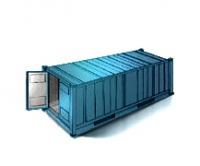
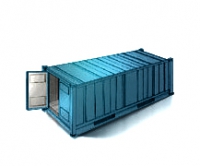
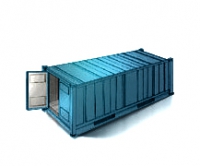
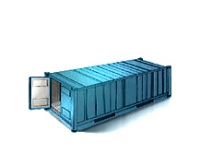
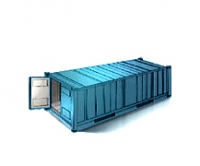
Standard containers, also known as general-purpose or dry containers, are enclosed units used for most packaged, palletized, and non-temperature-controlled cargo.
A 20' standard container is commonly selected for compact, dense, or relatively heavy cargo where weight is more important than internal volume. It may be used for cartons, pallets, industrial components, commercial products, and other general dry cargo.
A 40' standard container provides more internal volume and is generally more suitable for larger, lighter, or bulkier dry cargo shipments.
When additional internal height is required, a 40' high-cube container offers greater cubic capacity while retaining the enclosed structure of a standard dry container.
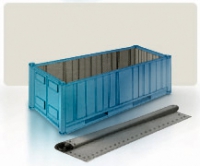
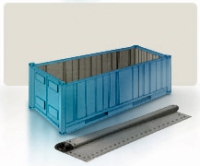
Open top containers have a removable roof cover, usually made from tarpaulin, and are used when cargo must be loaded from above by crane or other lifting equipment.
A 20' open top container is generally suitable for more compact heavy, tall, or irregular cargo that cannot be loaded conveniently through standard container doors.
A 40' open top container provides additional floor length for long machinery, pipes, steel products, timber, industrial equipment, and other cargo requiring both top-loading access and greater internal length.
Cargo extending above the normal container height may be treated as out-of-gauge cargo and may require shipping-line approval, special handling, and additional securing.
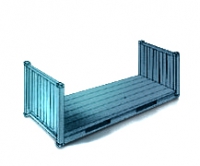
Flat rack containers have reinforced floors and fixed or collapsible end walls but no full side walls or roof. They are commonly used for heavy, overwidth, overheight, or irregular cargo.
A 20' flat rack container may be appropriate for compact and concentrated heavy loads such as machinery, vehicles, generators, steel parts, and industrial equipment.
A 40' flat rack container provides more floor length for long machinery, steel structures, fabricated components, construction equipment, and larger project cargo.
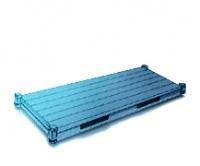
Platform containers consist only of a reinforced floor structure and have no side walls, end walls, doors, or roof. They provide unrestricted loading access from every direction.
A 20' platform container is suitable for compact heavy loads requiring a strong support surface, while a 40' platform container provides additional length for large industrial units, machinery bases, steel structures, and long heavy cargo.
Shipments requiring open top, flat rack, or platform equipment may also need technical assessment, specialized lifting, engineered lashing, carrier approval, route surveys, permits, or terminal coordination. These requirements can be managed through SASCO's project cargo and OOG transport services.
Refrigerated containers, also called reefer containers, are designed for cargo that must remain within a controlled temperature range during transport.
A 20' refrigerated container may be suitable for smaller-volume or highly sensitive shipments such as chilled food, frozen products, pharmaceuticals, fresh produce, dairy products, and seafood.
A 40' refrigerated container provides more internal capacity and is generally used for larger commercial cold chain shipments.
Reefer transport requires careful planning of temperature settings, packaging, airflow, humidity, ventilation, monitoring, power supply, and loading arrangement. Wider transport and handling requirements can be coordinated through SASCO's cold chain logistics services.
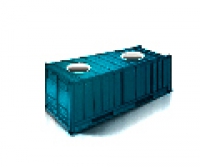
A 20' bulk container is designed for compatible loose dry commodities such as grain, feedstuffs, seeds, spices, granules, and powders. It normally includes dedicated roof loading hatches and discharge openings near the door area.
Bulk containers differ from standard containers because they are intended for loose dry cargo rather than packaged or palletized goods. Cleanliness, moisture control, hatch condition, contamination risk, and discharge arrangements should be checked before loading.
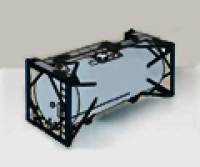
A 20' tank container, also called an ISO tank container, is designed for compatible liquid cargo. Depending on its certification and construction, it may carry approved food-grade liquids, industrial products, or regulated chemicals.
Tank selection depends on cargo classification, density, temperature, tank code, material compatibility, cleaning history, filling ratio, safety requirements, carrier acceptance, and applicable regulations.
Container selection should be based on the cargo's packed dimensions, total weight, volume, centre of gravity, loading and unloading method, temperature requirements, sensitivity, route restrictions, and shipping-line rules.
Standard dimensions and payload figures should be treated as reference values. The specifications of the actual container offered for the shipment must be confirmed before loading.
Standard, refrigerated, bulk, and special-equipment containers can be coordinated as part of SASCO's sea freight services.
For assistance with equipment selection, you can contact the SASCO logistics team or request a shipping quotation by providing your cargo dimensions, gross weight, commodity type, packaging details, origin, destination, temperature requirements, and handling needs.
Shipping Container Types and Dimensions
Standard Dry Containers
Open Top Containers
Flat Rack and Platform Containers
Refrigerated Containers
Bulk and Tank Containers
How to Select the Right Container