

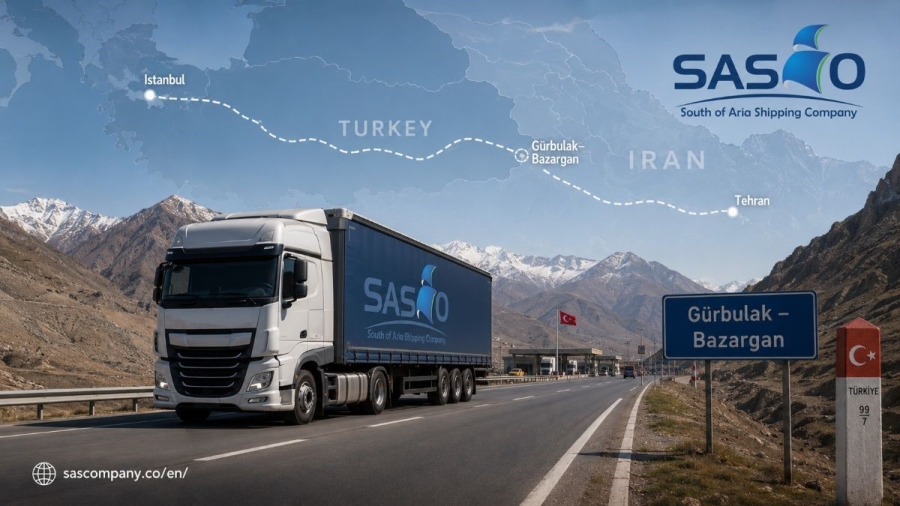
Turkey to Iran Road Freight at a Glance
|
Item |
Typical planning reference |
|
Main transport mode |
Direct or coordinated international trucking |
|
Available services |
FTL and LTL/groupage, reefer, flatbed and project cargo |
|
Main border corridor |
Gürbulak–Bazargan |
|
Common origins |
Istanbul, Bursa, Ankara, Izmir, Mersin and Gaziantep |
|
Main Iranian destinations |
Tabriz, Tehran, Karaj, Qazvin, Isfahan and project locations |
|
Indicative transit time |
Estimated by route; border, customs and final-delivery time should be stated separately |
|
Pricing basis |
Per truck for FTL; weight, volume or loading space for LTL |
|
Main documents |
Commercial Invoice, Packing List, Certificate of Origin, CMR and applicable customs documents |
|
Suitable cargo |
Commercial goods, machinery, spare parts, textiles, food products and industrial cargo |
|
Quote validity |
Subject to truck availability, border conditions and the quotation date |
How Much Does Road Freight from Turkey to Iran Cost?
Road freight from Turkey to Iran is usually priced per complete truck for FTL shipments. LTL or groupage cargo may be calculated by weight, volume, pallet position or the loading space used. A minimum freight or handling charge may also apply to small shipments.
The general market rate for standard Istanbul-to-Tehran FTL freight in August 2026 is approximately USD 2,500–3,500 per truck. For LTL shipments, rates generally start at around USD 180–300 per standard pallet. These figures are provided for preliminary budgeting and are not fixed SASCO tariffs.
Turkey to Iran trucking rates vary according to the pickup city, final destination, cargo weight and dimensions, commodity type, truck equipment, loading date and service scope. A low rate may cover only the main international trucking movement and exclude origin pickup, customs services, border charges or delivery inside Iran.
What May Be Included in the Freight Rate?
|
Cost component |
Possible scope |
|
Supplier pickup in Turkey |
Collection from the factory or warehouse |
|
Turkish export clearance |
Export declaration and customs coordination |
|
Main road freight |
International trucking between Turkey and Iran |
|
Border charges |
Border handling, waiting or transfer-related costs |
|
Iran customs services |
Import-clearance coordination, when included |
|
Inland delivery |
Delivery to the agreed destination in Iran |
|
Special equipment |
Reefer, flatbed, low-bed or ADR-compatible truck |
|
Cargo insurance |
Optional or separately quoted |
|
Waiting and storage |
Normally excluded unless specifically included |
Rates should therefore be compared only after checking the equipment type, validity period, included services and exclusions.
For the current Turkey to Iran shipping cost, request a Turkey–Iran road freight quote from SASCO.
Turkey to Iran Road Freight Transit Time
Turkey to Iran road freight transit time should be separated into the main trucking journey and the additional time required for pickup, border procedures, customs clearance and final delivery.
For standard cargo moving from Istanbul to Tehran, the main road movement is generally planned at approximately three to five days under normal operating conditions. The total estimated door-to-door lead time is approximately six to twelve working days, including pickup, export formalities, border procedures, customs clearance and inland delivery in Iran.
|
Transport stage |
Indicative time |
|
Pickup and export preparation |
1–2 working days |
|
Main trucking movement |
Approximately 3–5 days |
|
Border and customs procedures |
Approximately 1–3 days or longer |
|
Iran inland delivery |
Usually 1–2 days |
|
Estimated door-to-door time |
Approximately 6–12 working days |
Actual Istanbul to Tehran trucking time depends on cargo readiness, document accuracy, traffic at the Gürbulak–Bazargan border, customs inspection, holidays, weather and the final destination. LTL and specialized cargo may require additional consolidation, handling or permit time.
Transit time is an estimate, not a guaranteed delivery time.
Main Trucking Route and Border Crossings
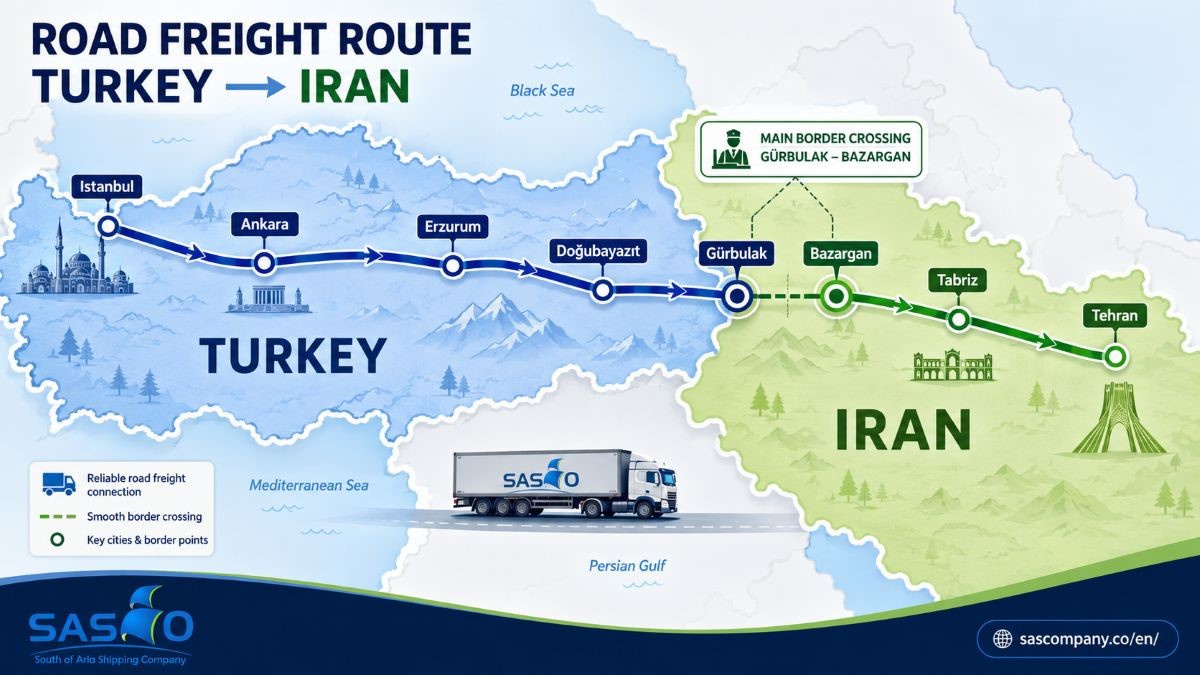
For most road freight from Turkey to Iran originating in Istanbul or western Turkey, the principal planning corridor is:
Istanbul / Western Turkey → Ankara → Erzurum → Doğubayazıt → Gürbulak–Bazargan → Tabriz → Tehran
Gürbulak–Bazargan is the main commercial border gateway for Istanbul to Tehran freight and other west-to-east trucking movements. The exact route may change according to the pickup city, Iranian destination, cargo restrictions, road conditions and border congestion.
Turkey also has customs crossings at Kapıköy and Esendere on the Iranian border. The corresponding Kapıköy–Razi and Esendere–Sero routes may be considered for suitable destinations or specific operating conditions, but they should not be presented as automatic alternatives to Gürbulak–Bazargan. Truck eligibility, cargo acceptance and current border conditions must be confirmed before dispatch.
FTL, LTL and Specialized Trucking Options
The appropriate trucking service depends on cargo volume, handling requirements, delivery schedule and the equipment required.
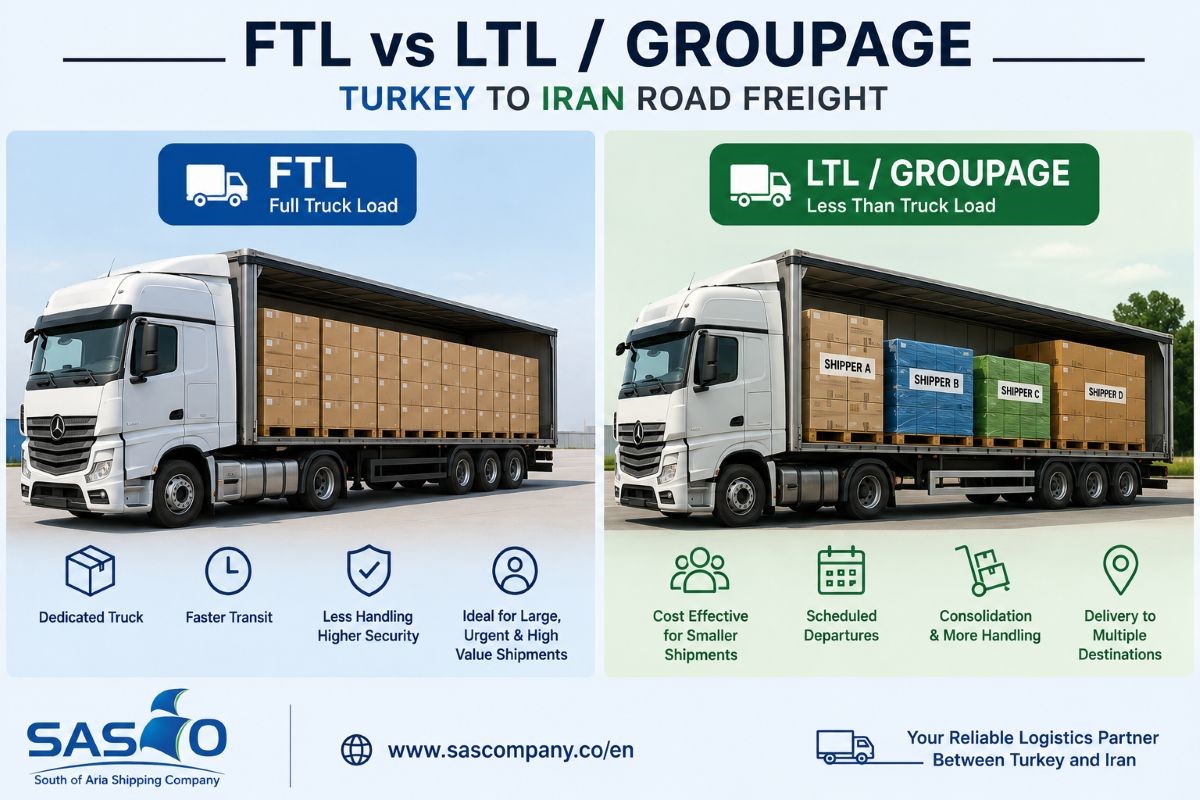
Full Truckload – FTL
FTL Turkey to Iran is suitable for cargo that requires most or all of a truck’s capacity, as well as urgent, sensitive or high-value shipments that should move in a dedicated vehicle. FTL normally offers a more direct schedule and fewer cargo handovers than groupage. The rate is generally quoted per complete truck and depends on the trailer type, route, cargo weight and service scope.
LTL and Groupage
LTL Turkey to Iran is designed for smaller consignments that do not require a full truck. Several shipments may be combined at a consolidation warehouse in Turkey and loaded into the same vehicle for the Iran route.
Before booking groupage cargo from Turkey to Iran, the quotation should specify:
- the planned departure schedule and consolidation location;
- the minimum chargeable weight, volume or pallet requirement;
- the expected number of handling stages;
- whether delivery ends at an Iranian customs point or includes final delivery;
- the estimated lead time, which is usually longer than FTL because consolidation and additional handling may be required.
Specialized Trucks
|
Equipment |
Typical use |
|
Curtain-sided / tautliner |
Palletized and general commercial cargo requiring side or rear loading |
|
Box truck |
Enclosed transport for cargo requiring additional weather or access protection |
|
Reefer truck |
Temperature-controlled food, pharmaceutical and other sensitive cargo |
|
Flatbed |
Long, irregular or oversized units that do not require enclosed transport |
|
Low-bed |
Heavy machinery and out-of-gauge cargo requiring lower loading height |
|
ADR-compatible vehicle |
Dangerous goods, subject to classification, documentation, permits and carrier approval |
Reefer shipments should be planned according to the required temperature range and handling conditions through an appropriate cold chain logistics service.
Machinery shipping from Turkey to Iran by flatbed or low-bed may also require route assessment, permits and cargo-specific planning under a project cargo and OOG transport service.
Direct Trucking or Border Transloading?
A Turkey–Iran trucking quotation should clearly state how the cargo will move across the border. Depending on the carrier, vehicle permissions, customs arrangement and cargo requirements, the shipment may continue in the same truck, use a different tractor while retaining the trailer, or require cross-loading into another vehicle.
Before booking, the shipper should confirm:
- whether the same truck or trailer continues to the Iranian destination;
- whether a tractor change, cross-loading or transloading operation is required;
- where the transfer will take place and who will supervise it;
- how package counts, cargo condition, seals and transport documents will be checked;
- which party is responsible for damage during the transfer;
- whether transfer, handling and waiting charges are included in the freight rate.
Where cargo is transferred between vehicles, the insurance scope should also be checked to ensure that the handover stage is covered. Additional information is available through SASCO’s cargo insurance services.
Documents Required for Turkey–Iran Road Freight
The required documentation for road freight from Turkey to Iran depends on the commodity, customs procedure and importer status. The following documents are commonly required, but regulated products may need additional permits or certificates.
|
Document |
Purpose |
|
Commercial Invoice |
States the seller, buyer, cargo description, value, currency and transaction terms |
|
Packing List |
Shows package count, gross and net weight, dimensions and packing method |
|
Certificate of Origin |
Identifies the country where the goods were manufactured or produced |
|
CMR Consignment Note |
Records the road-carriage contract and details of the cargo, consignor, consignee and carrier |
|
Turkish export declaration |
Supports export customs clearance in Turkey |
|
Iranian import registration or permit |
Provides the importer-side authorization required for applicable commercial goods |
|
Insurance Certificate |
Confirms cargo coverage when insurance has been arranged |
|
TIR Carnet |
Supports customs transit when the shipment moves under the TIR system |
|
SDS and dangerous-goods documents |
Required for chemicals, hazardous cargo and goods subject to ADR controls |
|
Product-specific certificates |
May apply to food, pharmaceutical, medical, chemical or controlled products |
For CMR in Turkey–Iran road freight, the cargo description, package count, weight and party details should match the Commercial Invoice and Packing List. A TIR Carnet may be used when the goods move under the international customs-transit system in sealed and customs-controlled load compartments.
This section covers the main road-specific documents only. For the complete import and customs checklist, see SASCO’s guide to required documents for shipping to Iran.
Step-by-Step Turkey to Iran Trucking Process
The exact process for truck transport from Turkey to Iran depends on the Incoterm, customs arrangement and service scope, but a standard commercial shipment generally follows seven stages.
1. Send the Cargo Details
The seller or buyer provides the commodity description, HS code if available, package count, weight, dimensions, loading address and final destination. The freight forwarder uses this information to check equipment, routing and pricing.
2. Confirm the HS Code and Cargo Eligibility
The importer and customs broker confirm the HS classification, import registration, permits and product restrictions. The carrier must also verify whether the cargo is acceptable for standard, refrigerated, oversized or ADR transport.
3. Select FTL or LTL and the Appropriate Truck Type
The freight forwarder recommends FTL or LTL according to cargo volume, urgency and handling requirements. The carrier confirms the available trailer, legal payload and technical suitability.
4. Arrange Pickup and Turkish Export Clearance
The seller prepares the cargo, packing and export documents. The carrier collects the shipment from the agreed factory or warehouse, while the Turkish customs representative completes the export declaration and related formalities.
5. Issue the CMR and Transit Documents
The carrier or freight forwarder prepares the CMR using the confirmed shipment details. Where applicable, the authorized transport operator arranges the TIR Carnet or other transit documents. The seller and buyer should check that names, quantities and cargo details are consistent across all shipment documents.
6. Cross the Turkey–Iran Border
The carrier presents the vehicle, cargo and documents at the agreed border crossing. Customs authorities may check the seals, documents or cargo. Any tractor change or transloading should follow the method and cost scope confirmed before dispatch.
7. Complete Customs Clearance and Final Delivery
The Iranian importer provides the import-side authorizations and appoints or works with the customs broker. After duties, taxes, permits and customs requirements are completed, the cargo is released for delivery to the agreed customs point, warehouse or final destination. SASCO can coordinate customs clearance in Iran when included in the service scope.
Responsibilities may change according to the Incoterm and contract. They should therefore be confirmed in writing before the land freight from Turkey to Iran begins.
What Affects Road Freight Cost and Delays?
The same route can produce different rates and lead times because each operational factor affects a specific part of the shipment.
|
Factor |
Operational effect |
|
Origin city |
Changes the pickup distance, domestic Turkish mileage and collection cost |
|
Final Iranian destination |
Determines the inland distance and delivery cost after the border |
|
FTL or LTL |
Changes the pricing method, departure schedule and number of handling stages |
|
Cargo weight and dimensions |
Determines trailer suitability, legal payload and whether special equipment is required |
|
Border congestion |
Adds waiting time and may create detention or driver-related charges |
|
Incorrect documents |
Can cause amendments, inspection, customs queries or delayed release |
|
Regulated cargo |
May require permits, certificates, ADR equipment or temperature controls |
|
Holidays and weather |
Can affect pickup schedules, border operations and routes through eastern Turkey |
|
Truck availability |
Influences the loading date and current market rate |
|
Incoterm |
Determines which pickup, export, border, customs and delivery costs are included |
Door-to-Door Freight from Turkey to Iran
Door-to-door freight from Turkey to Iran may combine supplier pickup, Turkish export clearance, international trucking, border coordination, customs-clearance support and delivery to an agreed city or warehouse in Iran. The exact pickup point, customs responsibility and final delivery location should be stated in the quotation.
Door-to-door does not automatically mean that every destination charge is included. Import duties and taxes are normally excluded unless expressly stated, while import registration and product permits generally remain the responsibility of the Iranian importer. Customs inspection, storage, truck waiting time, unloading and other conditional charges may also be billed separately.
The Incoterm changes the service and cost scope. Under EXW, the buyer usually controls transport from the supplier’s premises. FCA transfers responsibility at the agreed delivery point after export clearance by the seller. Under CPT, the seller pays carriage to the named destination, but the buyer normally manages import clearance. DAP can cover transport to the agreed place in Iran, while import clearance, duties and taxes remain with the buyer.
For this reason, every quotation should identify the Incoterm, included services, exclusions and final delivery point.
Why Choose SASCO for Turkey–Iran Road Freight?
SASCO coordinates Turkey–Iran road freight with operational control on the Iranian side, including border follow-up, document review, customs coordination and inland delivery planning. This destination-side support helps connect the international trucking movement with the procedures required after the cargo enters Iran.
Each quotation is prepared according to the actual pickup point, Iranian destination, cargo specifications, truck type, Incoterm and required service scope. This provides a clearer basis for comparing costs than a single headline trucking rate that may exclude border, customs or final-delivery charges.
Frequently Asked Questions
How much does road freight from Turkey to Iran cost?
The general planning rate for a standard Istanbul-to-Tehran FTL shipment is approximately USD 2,500–3,500 per truck. LTL rates may start at around USD 180–300 per standard pallet, depending on weight, volume, consolidation and delivery scope. A current quotation is required before booking.
How long does trucking from Istanbul to Tehran take?
The main trucking movement is generally estimated at three to five days under normal operating conditions. When pickup, border procedures, customs clearance and final delivery are included, tthe total door-to-door time may be approximately six to twelve working days.
Is FTL or LTL better for Turkey–Iran freight?
FTL is generally more suitable for large, urgent, sensitive or high-value cargo that requires a dedicated truck. LTL is more economical for smaller consignments, but consolidation, scheduled departures and additional handling may result in a longer lead time.
Which border is used for Turkey-to-Iran road transport?
The main commercial route normally uses the Gürbulak–Bazargan freight corridor, particularly for cargo moving from Istanbul or western Turkey toward Tabriz and Tehran. Kapıköy–Razi or Esendere–Sero may be considered for specific destinations and operating conditions.
What documents are required?
Common documents include the Commercial Invoice, Packing List, Certificate of Origin, CMR Consignment Note and Turkish export declaration. Depending on the customs procedure and commodity, the shipment may also require import registration, a TIR Carnet, insurance documents, SDS files or product-specific permits.
Can SASCO collect cargo from a supplier in Turkey?
Supplier pickup may be arranged from the agreed factory or warehouse, subject to location, cargo readiness and truck availability. The quotation should state whether pickup, export clearance and movement to the main international route are included.
Does door-to-door freight include customs duties?
Not necessarily. Door-to-door freight may include transport and customs-clearance support without including Iranian import duties, taxes, inspection, storage or waiting charges. These items must be confirmed separately in the quotation.
Can machinery, refrigerated cargo or dangerous goods be transported?
Machinery may be transported using flatbed or low-bed equipment after confirming dimensions, weight, route restrictions and permit requirements. Refrigerated cargo requires an agreed temperature range, while dangerous goods are accepted only after reviewing the classification, SDS, ADR requirements, permits and carrier approval.